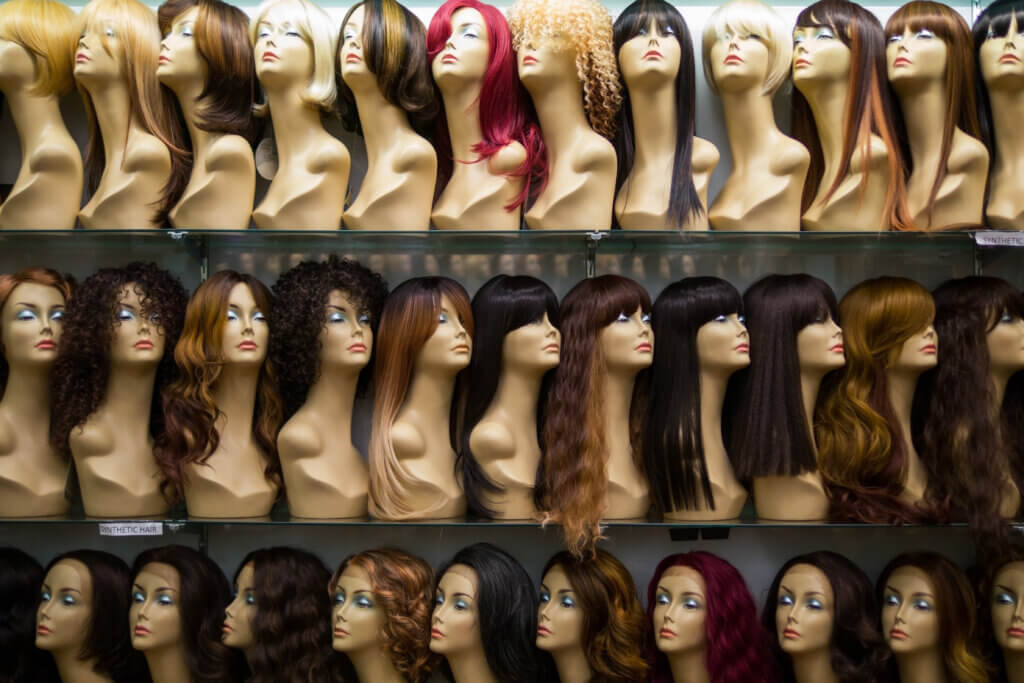
Hair Wigs

Wigs

Wig Selection

For most women, selecting a wig is something of a mystery – but most shops are staffed with an expert to guide you to the right fit, color, and style. You may find yourself surprised at how sophisticated and healthy a wig can look.

Synthetic Wigs

  • Synthetic wigs cost less than human-hair wigs and are easier to maintain because they keep their style – even after washing.

Machine-made Synthetic Wigs

  • A well-crafted, machine-made synthetic wig is reasonably priced and should come in a style that resembles your hair. Mass-produced, synthetic wigs often perform better than low-quality human-hair wigs, so it’s important to know what you are getting.

Hand-made Synthetic Wigs

  • High-quality, hand-made wigs look even more natural, since strands of hair are individually tied, allowing the wig to be parted and styled with hair accessories.

Custom-made Synthetic Wigs

  • High-end, custom-made wigs are created to your exact specifications. They will look the most like your own hair, but cost more and take several months to produce.

Human-Hair Wigs

  • Human-hair wigs can be styled, touched up, and cared for in the same way you care for your own hair. This makes them feel more natural to some women. The downside is that they are expensive, require quite a bit of care, and often need to be styled by a professional.

Wig Shopping

Tips

  • Research your possibilities online, then have a friend or family member accompany you.
  • Consider that buying a wig online or through a catalog may be private and convenient, but comes without the benefit of trying it on.
  • Look for synthetic wigs at hair salons, wig stores, special hair-loss replacement centers, wig catalogs and online. Call the American Cancer Society at 1-800-227-2345 or your local American Cancer Society office for a recommendation.
  • If you are in serious financial need, you may be eligible for a wig through the American Cancer Society or Cancer Care.
  • Ask your doctor about prescribing a “cranial prosthesis,” which your health insurance may cover.
  • Take your time and ask questions before you make a decision. You may even want to sleep on it.
  • Look for a wig with a loose mesh cap if you will be wearing it in warm weather.
  • Try wigs in a shade a bit lighter than your natural color. Some women find that it brightens their appearance and offsets changes in their skin.
  • Remember that shorter styles are less likely to tangle and easier to maintain.
  • If it is affordable, consider buying two reasonably priced synthetic wigs with different hairstyles for variety.
  • Look for falls, bangs, and hairpieces for versatility. They will also come in handy when your wig is being washed.
  • Consider purchasing some of the following accessories: a wig cap, stand, shampoo, spray, conditioner, gel strips, hair net, hair pins, rollers, and a wire wig brush.

Wig Styling

A cotton or nylon wig-cap is a great way to start. Wear the cap under your wig to stay comfortable and to keep your wig in place.

Getting Started with Your Wig

  • Hold the wig by the front at your forehead and slip it over your head.
  • Make sure the two wig tabs are placed in front of your ears and set on your temples.
  • Keep your ears pulled out from under the wig.
  • Pull the wig down in the back to secure it and make sure that the front of the wig begins at your natural hairline.
  • Use the hooks or fabric fastener, in the back of your wig to adjust the fit.
  • Test the fit and comfort of your wig by wearing it at home for a few hours.
  • If this is your first time wearing a wig, allow yourself some time to let the awkwardness pass.
  • A good wig shop, stylist or a trained volunteer at a Look Good Feel Better group program can help you get accustomed to putting on your wig.

Styling Your Wig

  • Many wigs are made with extra hair that may be trimmed and set to create a flattering hairstyle. Ask your hairstylist or a wig stylist to trim away excess hair.
  • Consider using bangs or wisps to obscure the hairline.
  • Use light wig spray or low-alcohol hairspray to keep the wig styled.
  • If you normally wear a nylon wig cap, try switching to cotton when the weather gets warm or humid.
  • Have your wig resized if you lose your hair after the wig has been fitted.

Wig Care

Humidity and poor air quality can affect your wig the same way it affects your hair. A good rule of thumb is to wash your wig after six to eight uses in the summer and after 15 to 18 uses in cooler months. Your wig will also require more washing if you are athletic.

Tips

  • Gently brush straight styles with a wire brush before washing. Opt for a vent brush or pick to keep curlier styles intact.
  • Add a capful of mild conditioning shampoo to a basin of cool water. Soak your wig for 2 minutes, swish to rinse out the shampoo, and remove.
  • Swish your wig once again in clean, cool water. Gently squeeze out excess water and blot with a towel.
  • Try wig conditioner if you want to soften and add luster to your wig. Leave it on for just a few minutes, then rinse and blot as above.
  • Tightly “finger-squeeze” any curls while the wig is wet.
  • Do not comb or brush a wet wig -– it may interfere with the style.
  • To dry, place the wig on a clean towel, wire wig form or tall hairspray bottle. Let the wig air-dry, keeping it away from direct sunlight.
  • Shake out the dry wig and style. Synthetic wigs or synthetic/human-hair blends will hold their original style. Human-hair wigs will need to be styled after each washing.
  • Do not use hot blow-dryers, curling irons, or other forms of heat on synthetic wigs.
  • Store your wig on a wig stand away from radiators, vents, or humidity to maintain its shape. Covering it with a hair net will also help it stay styled.