Styling Breast Prosthesis

Breast Prosthesis

Breast Prosthesis, Bras & More

It’s possible you’re feeling a mix of different emotions after a mastectomy or lumpectomy. As your body continues to change, your relationship with your body may as well. It is important to know that it is recommended to wait six to eight weeks before you start shopping for new bras or breast forms, as swelling may affect the fit and comfort.

Right After Breast Cancer Surgery & During Radiation Treatment

  • For the first four to six weeks, it is best to opt for compression-free & wire-free bras and camisoles.
  • Compression and wire-free bras are often made from soft fabrics and known as ‘leisure bras.’ When shopping for a leisure bra online or in-person, look for something that closes in the front rather than the back. After a mastectomy your body is still in recovery, and it can be difficult to pull anything over your head or reach behind to clasp the bra. If it is possible to try the garment on, ensure that the bra fits comfortably on the loosest hook. This is so it can be worn looser to begin with and gradually tightened as the swelling goes down.
  • Some women also require drainage tubes following surgery. There are special camisoles with pouches or pockets or special bras you can attach pouches to keep the tubes in place. You can also sew pockets inside a shirt. A stretchy and comfortable tube top can also be comfortable, just make sure you can get it on by pulling it up over your hips rather than over your head. A light, fiberfill breast form (also called an initial breast form) can be worn in a bra or camisole if you desire. Some initial breast forms allow you to adjust the amount of fill inside to match the size of your other breast if you had a single mastectomy.
  • While garments with a pocket specifically to hold breast forms will be the most secure, the choice of what you wear is up to you.

What If I Am Having A Lumpectomy?

  • Follow the information above, and keep in mind that your medical team may advise you to wear a bra for 24-hours a day for the first week or two after surgery. Like with a mastectomy, look for a bra with:
  • Soft fabric
  • No compression
  • No underwire
  • Easy to put on

Radiation Is Part Of My Care Plan!

  • Like dressing for a mastectomy and lumpectomy, look for:
  • Soft fabric
  • Underwire free
  • No compression
  • Ideally something that closes in the front
  • Avoid anything with seams that may rub against your radiation site
  • Fitted, not tight, tank tops made from bamboo cotton offer support and are a great option for many women. While others prefer loose-fitting button up shirts and go without a bra or camisole. What works best for you might come with some trial and error, but having a few different options will be helpful, especially if you need to wash them often because of regular use of creams and ointments on the treatment site.

I Had Reconstruction. What About Me?

  • Compression bras will be your friend! A compression bra following reconstruction helps to maintain shape and holds the breast(s) in place, preventing pressure points and tissue irritation from forming.
  • It is great to look for a compression bra made from:
  • Strong fabric
  • No seams on the skin
  • A longer line for comfort
  • Again, a front closure means you won’t have to stretch to reach a back closure or pull anything over your head. Your body will thank you!

Good To Know

  • Lymphedema: People who are treated for cancer are at risk for lymphedema if they have lymph nodes or vessels removed or damaged during treatment. Speak with your doctor about ways to avoid lymphedema and treatment options.

Post-Recovery

  • When you are ready to move into an everyday bra, which can range from two months to one year after treatment is complete, special mastectomy bras are available in styles ranging from lingerie, sport and everyday bras. These are specific for post-mastectomy or post- lumpectomy because they come with pockets to hold breast forms. Many have a higher neckline for support and to help cover scars. If you sew, or know someone who can, you can have pockets sewn into any bra as well – but you may need to experiment a bit to get the right design to hold the breast form.
  • Remember that your size and shape may have changed post-treatment and post-surgery. A specialized bra retailer can help you find the right size – or check out our bra-fitting tips.
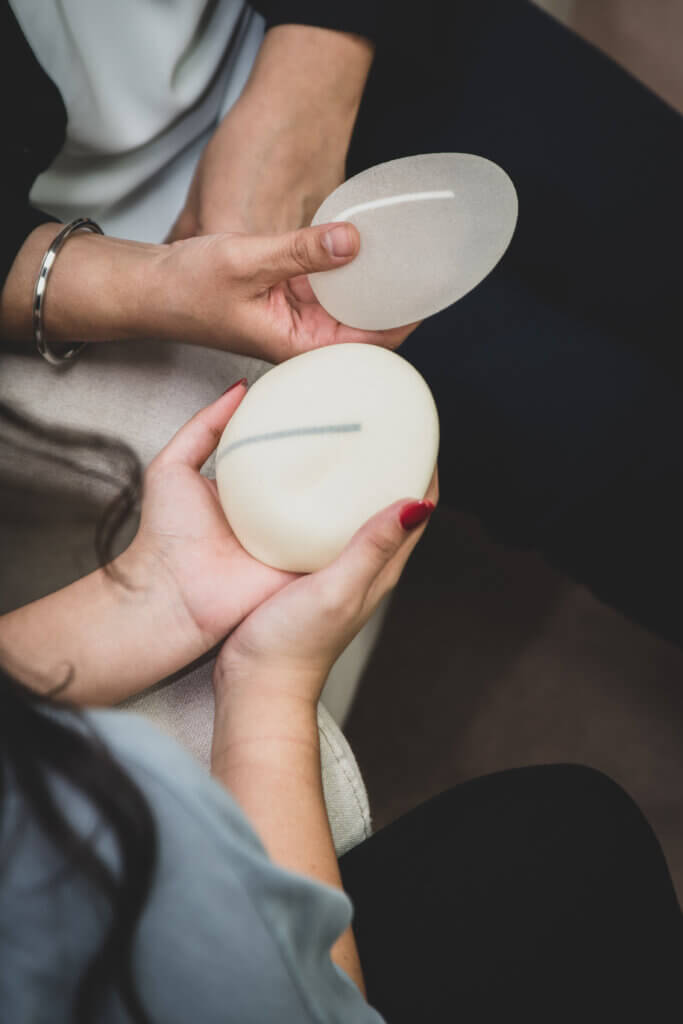
Plastic surgeon and patient discuss choice of breast implants after mastectomy or for breast augmentation.

Breast Forms & Garments

Breast Forms

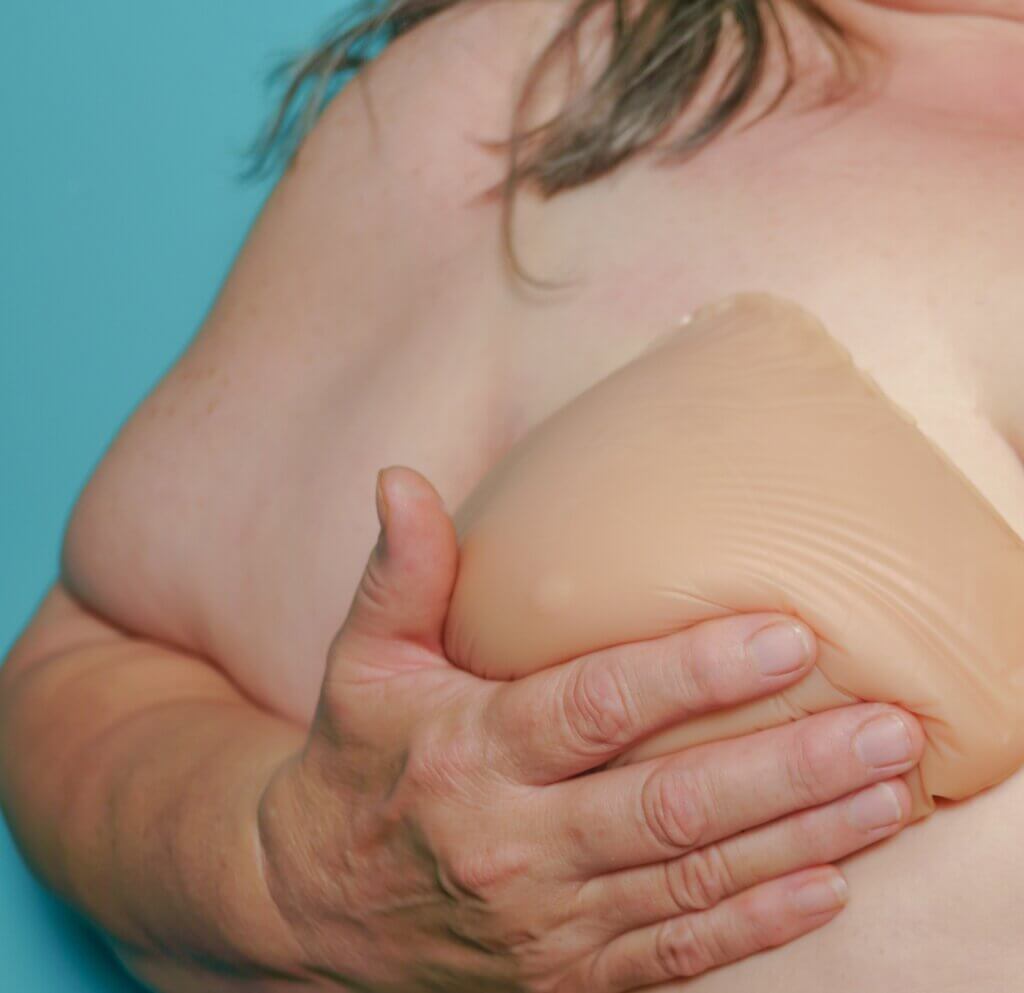
  • Have you heard the term breast form or breast prosthesis before? They are a product designed to mimic the shape of a breast for women who have had a mastectomy or lumpectomy. Some breasts forms even have a similar feel to a natural breast.
  • Breast forms are inserted into special pockets in bras to help clothes fit better. Many women wear them to restore balance and help boost confidence in their new body. There is nothing wrong with wanting to feel like yourself. Some women use breast forms while waiting for reconstruction, others may choose to not have reconstruction and use forms as a long-term option. You may find you wear a breast form all the time, or just on certain days or during certain activities. Some women find wearing a breast form helps minimize shoulder droop and others choose to not wear one at all and “live flat.”
  • There are many different options, but no universal ‘right’ choice, the right choice is what works best for YOU and your needs!
  • Should you choose to wear a breast form, there are lots of different options out there. They vary in weight, material, size and shape, so take the time to try them out and find the best one for you. Some are even made specially for exercising and swimming. Custom-made breast forms are also available if you are not able to find a shape off the shelf that works for you.
  • Breast form options available include:
  • Various weights to match natural breast or lightweight
  • Different skin tones/shades
  • Partial forms to address lumpectomy
  • Symmetrical or Asymmetrical forms to match your natural shape
  • Special forms for swimming or sports
  • Different materials including silicone, gel, fiber fill, foam
  • During the six-week healing period, you won’t want to add weight or compression to the area. Initial breast forms, which are made of a lightweight, loose fiber, are a good option. Some initial breast forms allow you to adjust the amount of fill to match the size of your other breast if you had a single mastectomy.
  • If you are having reconstruction later, you can add fill back in if you are going to have an expander. Some women like the lightweight fiber of an initial breast form and choose this option as their standard breast form after the recovery period has passed. Others prefer the weight of a standard breast form as it can feel more like what they are used to. Some women refer to the “hug test” – or what makes them feel most comfortable when hugging someone. Make your selection based on your unique needs.

Partial Breast Forms

  • Used after lumpectomy, lymph node removal
  • Can also be used several years after a reconstruction to match changes in your other breast due to changes in weight and natural changes over time
  • Help balance shape and create symmetry
  • Offered in every shape and size to match the other breast

Preparing For A Fitting

  • Schedule six or more weeks after surgery
  • Ensure you don’t have any swelling to enable a proper fit
  • Confirm there is no drainage at the surgical site
  • Healing must be complete – no partially healed wounds or bandages
  • Book an appointment in advance; most fittings are more than one hour
  • Bring a fitted t-shirt to try on over top of bras
  • Nervous about your fitting appointment? Call ahead to ask questions to improve your comfort level and prepare for your fitting. Questions like:
  • Is the retailer knowledgeable about various types of breast surgery?
  • Do they have a private fitting room with a full-length mirror?
  • Do they offer a range of products you can try?
  • Can you book an appointment during a quiet time in the store?

Bra Fitting Tips

  • Did you know that many women are not wearing the right size bra? When bras don’t fit right, we may have pain where straps dig in, feel uncomfortable if the back rides up, or feel self-conscious in our clothes.
  • The band is the most important measurement as it provides 80% of the support. It should be parallel to the ground all the way around. If the back is riding up, go down a band size
  • If your breast is spilling out over the top of the cup, or the bra is digging into the breast, go up a cup size
  • If there is extra cup fabric, go down a cup size
  • Don’t try to make up for a poorly fit band or the wrong cup size by adjusting the straps – you’ll end up with less support and may hurt your shoulders. The straps should sit comfortably and not create any red marks
  • Bras come in different shapes and styles, so try on a few to find the right one for you

Finding A Retailer In Your Community

  • There are many retailers across the U.S. that carry breast care products. Consider asking for recommendations from your cancer care center, friends or family members, or try doing an internet search to locate the nearest in your area.
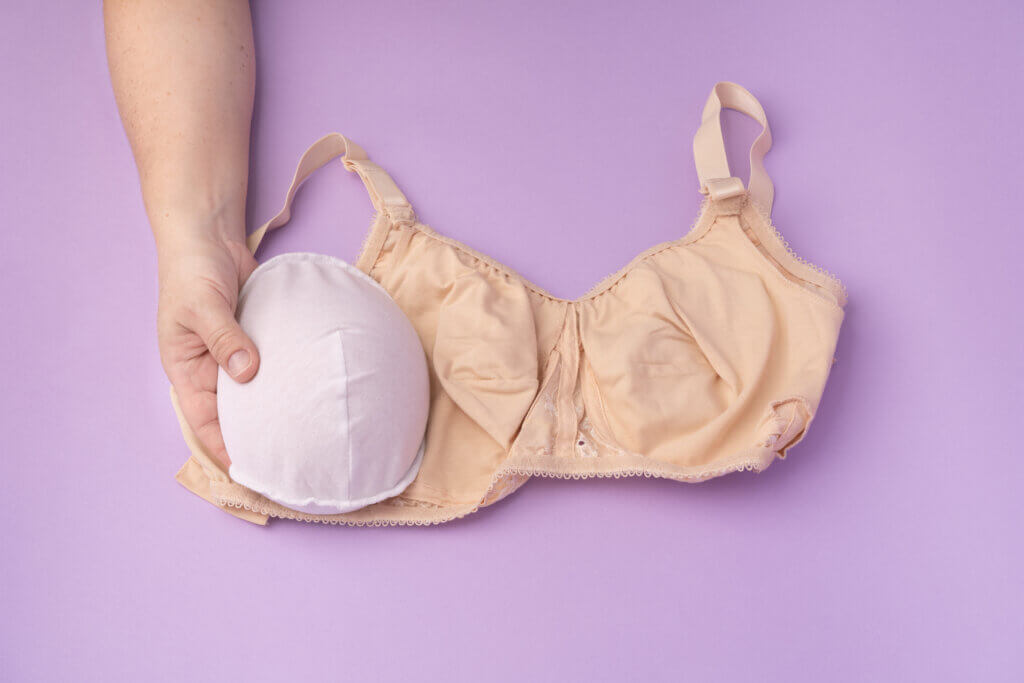
Breast prosthesis before inserting it into the special bra.

Financial Coverage

The average post-mastectomy bra is under $100, a breast prosthesis is $200 to $400. Your health insurance may reimburse some costs of breast prostheses as well as the cost of post-operative bras.
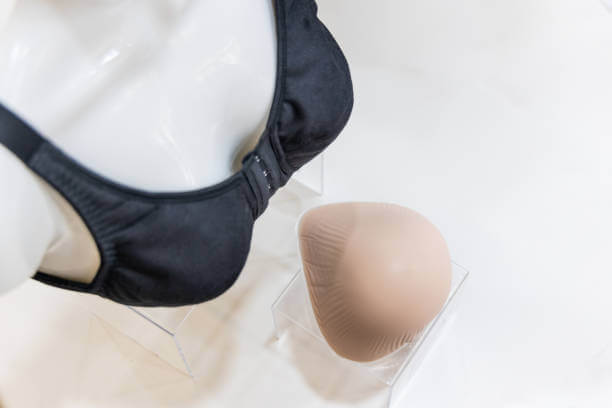
Breast prosthesis and post surgery bra for breast cancer patient after mastectomy to regain emotional health.

Post-Treatment

Managing Scar Tissue

  • Feeling more like yourself is important, which can be more difficult if you are managing scar tissue. Luckily, there are many things that can be done to feel more comfortable in the skin you are in.
  • It can be discouraging to still feel pain, swelling, tightness, sensitivity or a restricted range of motion after completing breast cancer treatment. For some women, discomfort may last well past their expected recovery time from surgery or radiation. If you have done the exercises your doctor recommended and still don’t feel comfortable, make sure you tell your oncology/surgical care team.
  • The reason for prolonged discomfort may be a build-up of scar tissue inside the body, typically around the breast, chest or shoulder area. Scaring can cause the surrounding tissue to become denser and less elastic and result in restricted movement and/or pain. Some women describe it as feeling “sticky” or “like Velcro” when they try moving the affected area.

What To Do To Feel More At Ease

  • You may want to consider adding a physical therapist or massage therapist who specializes in caring for breast cancer patients to your care team. Speaking with your primary care team about your concern is a great first step. And if you meet resistance when addressing the subject, don’t be shy about advocating for yourself. Involving loved ones or other supportive individuals in the discussion may also be helpful.
  • Physical therapy or massage therapy is done on the chest, breast and/or shoulders to loosen and soften tissue. Your provider may suggest techniques such as myofascial release, deep friction massage or cupping therapy. When these techniques are applied and followed by stretches, they can help break up rigid tissue and relax tension that can cause pain and restrict movement.

Who Can You Go To For Help?

  • Typically, it will be a physical therapist or massage therapist who will have specialized expertise and experience working with breast cancer patients.
  • Some healthcare professionals use the term Cancer Rehabilitation to refer to the services that help manage the common side effects of cancer and cancer treatment. This is a useful search term when looking for professionals in your area.
  • Some questions to ask include:
  • Are you a Licensed Massage Therapist (LMT) or Licensed Massage Practitioner (LMP)? If you are in a state that does not offer licenses, look for a Certified Massage Therapist (CMT), which is the minimum qualification.
  • Are you experienced in treating breast cancer patients?
  • Do you provide techniques I can do at home?

Good to Know

  • Talk to your surgeon or oncologist to ensure this is right for you and enough recovery time has passed
  • Treatment of lymphedema requires a qualified, certified practitioner. Your doctor, cancer center, or your hospital’s cancer program may recommend someone who specializes in breast cancer-related lymphedema
  • You can also find lymphedema specialists through these online directories: National Lymphedema Network (NLN) and LANA.
  • It is important to know that most of these services are not covered by insurance plans, but it is best to ask your healthcare team.
  • If you have extended healthcare benefits through your school or work, make sure to check with them as well.
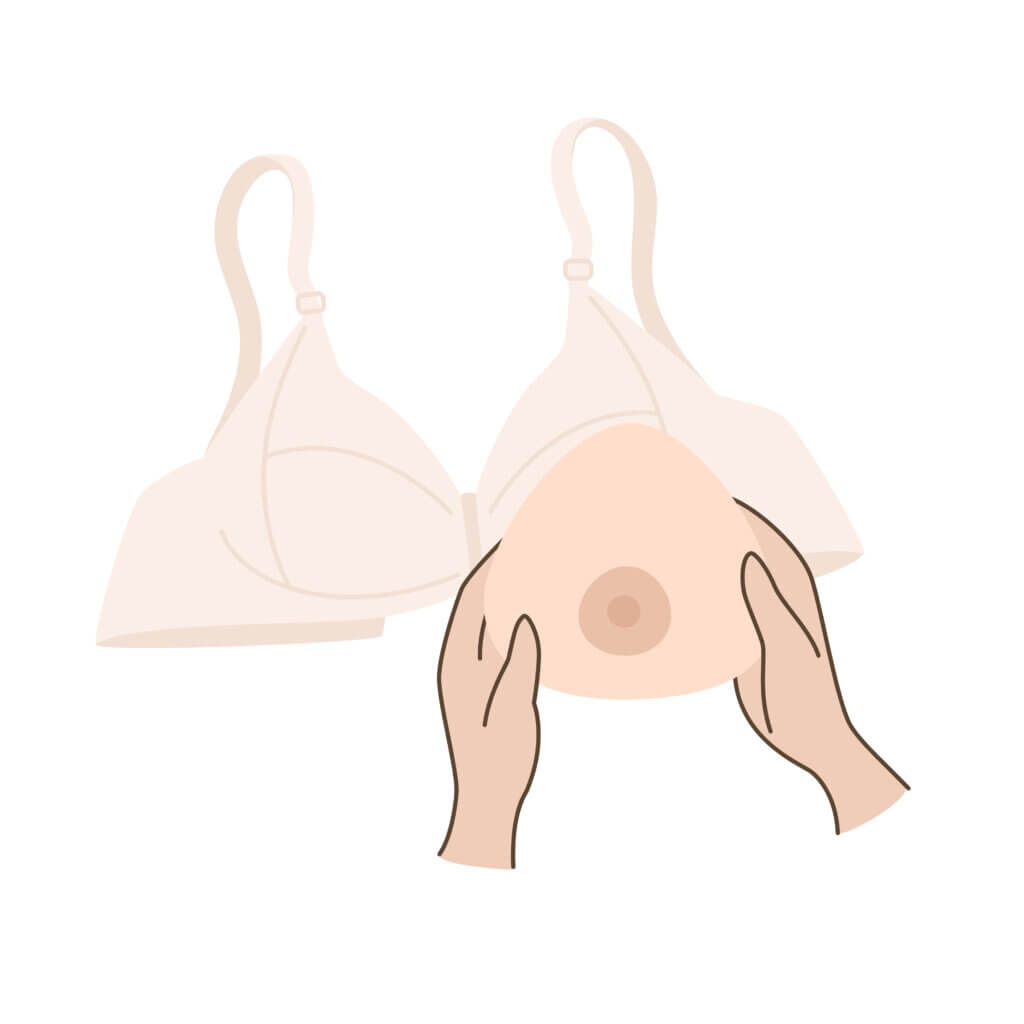
Hands holding Breast prosthesis. Breast prosthesis and post surgery bra for breast cancer patient after mastectomy.

Nipple Tattooing: Areola Restoration After Breast Cancer Surgery

Is areola restoration, also known as nipple tattooing, right for you? Nipple tattooing uses ink and shading techniques like traditional tattooing; this gives the illusion of 3D nipples where there may be none. For many women, investing the time and money into the process following breast cancer surgery provides a sense of confidence, empowerment, and comfort. There are a few things to consider when deciding whether to include this in your post-cancer journey.

  • The first important thing to know is that nipple tattoos can be done on any type of tissue:
  • Reconstructed breast, with or without implants
  • Reconstructed nipples
  • Chest wall after a mastectomy
  • It is best to wait at least one year after all your treatments are completed before getting a tattoo. It may seem like a long time to wait, but if you end up needing any follow up procedures, they could impact the tattoo.
  • Decorative Tattoos, also known as mastectomy tattoo, can be used to cover or camouflage scars. Many women who choose this find it to be an empowering form of self-expression and an opportunity to redefine one’s experience after breast cancer surgery. A wait time of at least one year after all treatment is complete is recommended before having any decorative tattooing. Decorative Tattoos may be done alone or in addition to areola restoration tattooing. Some technicians do both decorative and restoration tattoos.

Who do I go to for Nipple Tattooing?

  • Choosing the right technician for a nipple tattoo is important as it takes time and money, is permanent, and requires you to be comfortable with the person. There is no ‘perfect’ technician as everyone’s needs are different and varying. So, choosing the technician who is right for you is worth spending some time on. If you are feeling overwhelmed, ask a trusted friend to help you make calls and pre-screen with you. You might also want to speak to your doctor, medical team, or other women for references too.

Important Considerations

  • Safety – choose a place with a proven track record, especially among clients who’ve had breast reconstruction surgery.
  • State and local regulations vary for tattoo businesses, so make sure the establishment and the tattoo artist are properly trained and licensed in your state.
  • Ask about their cleaning and sterilization procedures. Needles should be in sealed packages to prevent the risk of infection.

Artistry & Technique

  • Ensuring that the color, design and shading is skillfully planned and executed will help create a realistic areola tattoo. These factors should be customized for you to match an existing nipple, replicate what you are used to, or align with your personal preferences. Color, shape, size is unique to each woman.
  • Like with art, color theory is a vital component of tattooing. It’s extremely important that the technician you select is experienced and knowledgeable on the role of skin tones and undertones, as well as how they will impact the way color pigments will appear on your skin.
  • Before finalizing an areola design on your body, ensure the technician can draw it on paper first. This will demonstrate whether they have the artistic skills to deliver on the design you have selected.
  • Proper technique will ensure the color pigment stays vibrant as the skin heals and tattoo develops. Stretching of the skin as the needle is tattooing will also help achieve this and ensure the ink does not fade.
  • Other things to look for include: no patchiness, clean line work and smooth shading.
  • Color and camouflaging scars: Tattooing can cover a scar that is light by making it darker, but it is very difficult to make a scar that is dark, lighter. Laser therapy may help in lightning scars and should be considered if lightening is needed before embarking on tattooing.
  • Ensure you feel comfortable with your technician. A technician should be patient throughout the process from deciding on a design to respecting your needs for breaks while getting the tattoo.

Good to Know

  • Check with your surgeon to ensure you are a good candidate for tattooing. Tattooing may not be a good option if you have a propensity for keloids.
  • The cost of areola restoration can vary from $200-$700 per breast.
  • Before deciding on a technician, ask if you could meet with a former client to ask about their experience and see photos of the technician’s work. This is an easy and reassuring way to determine if the technician’s artistic talent and skill, temperament, and other client work match your expectations of the tattoo and the artist you are seeking.
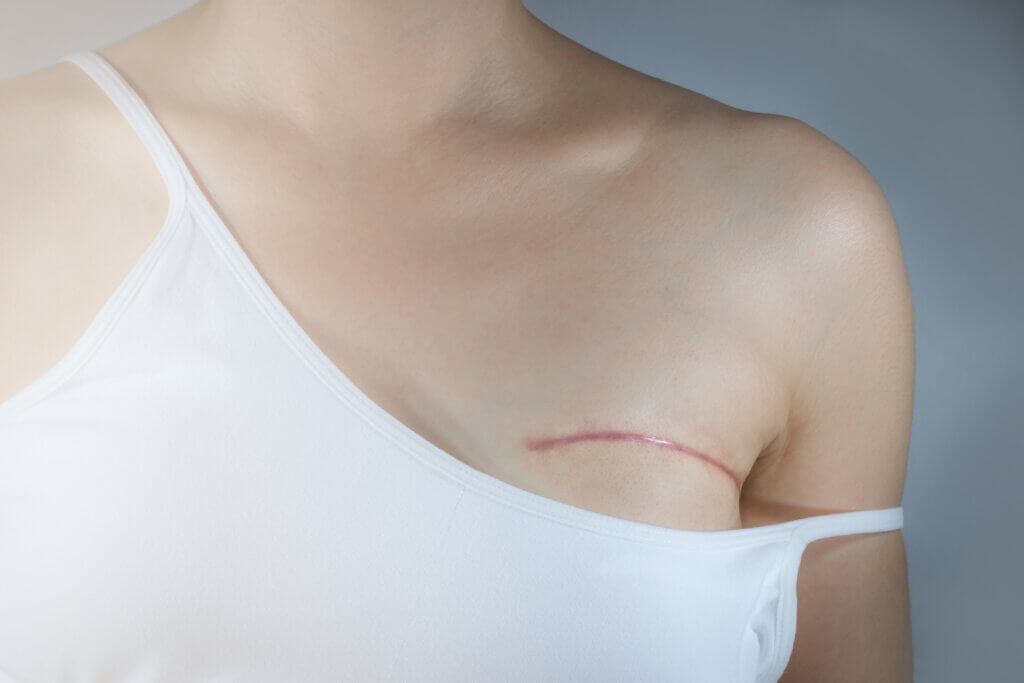
Breast cancer surgery scars

Managing & Caring for Scarring

Before Surgery

  • If you are prone to keloids, ensure your surgeon is aware of this and ask about how it can best be managed with medication, topical treatments or strategic scar placement.

After Surgery

  • Follow care instructions from your surgeon to keeping the surgical site clean
  • Once approved by your surgeon, usually about one month after surgery, you can start massaging the scar using either a cooking oil or scar reducing oil
  • Silicone scar sheets can help improve healing
  • Don’t wear clothing that compresses the scar for at least 4-6 weeks after surgery. If that makes wearing a regular bra difficult, try a tube top, tank top or leisure bra to provide support, if needed
  • Wait at least one year after all treatments are done before getting any nipple or decorative tattoos
woman with breast prosthesis after mastectomy surgery

Body Image

For many people living with cancer or in remission, changes in appearance can be a major source of concern and anxiety. This is not vanity. Much of our identity is related to our physical appearance, from how we wear our hair to what clothes we choose to wear. Body shape and size, including breasts, are often tied to a woman’s sense of self, self-expression, sexuality, and self-esteem.

Appearance-related impacts of cancer can be temporary (like hair loss and skin changes) or more permanent (like surgery or scarring). They may affect someone at a time when they already feel vulnerable, which can negatively impact their mental and emotional health.

For anyone facing a cancer diagnosis, there’s enough to cope with emotionally without also feeling that there’s no space to speak about body image issues or that it is somehow selfish or vain to worry about them.
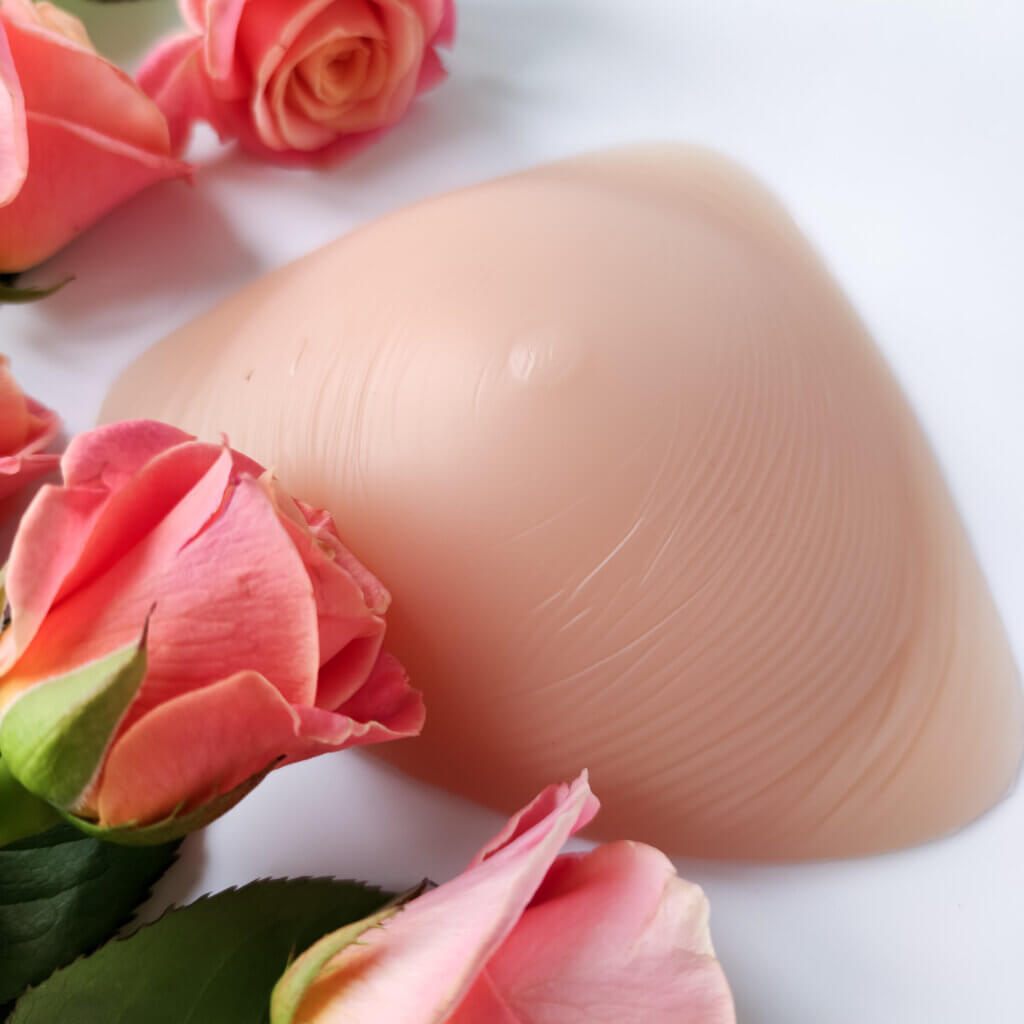
A breast prosthesis near pink roses to be worn as a result of breast cancer surgery.

Look Good Feel Better Helps People with Cancer Feel Like Themselves Again

At Look Good Feel Better workshops, individuals with cancer learn how to manage the appearance-related impact of cancer and its treatment in small and supportive groups, either in-person or online.

You can find all our class offerings and register for a Look Good Feel Better workshop here.